
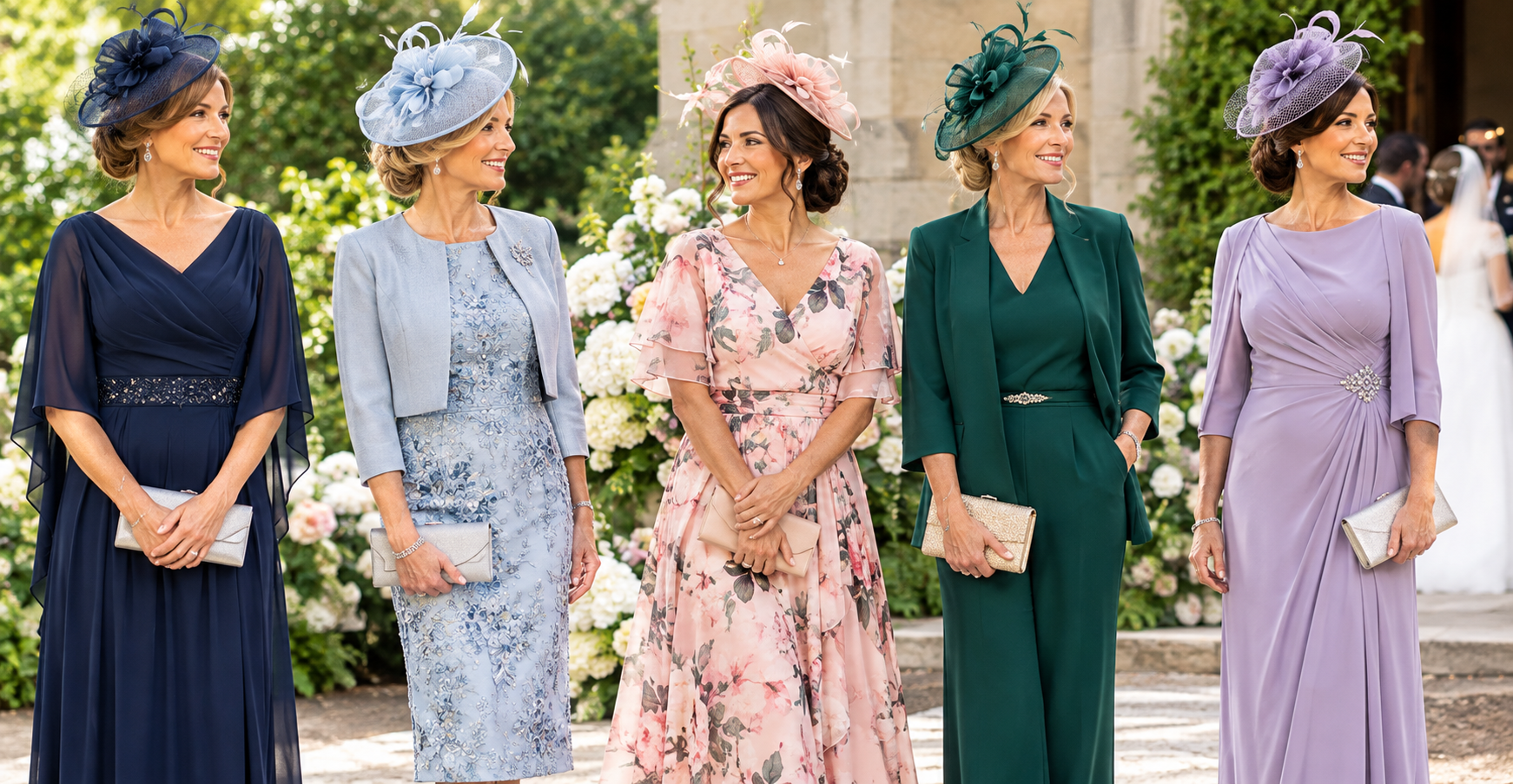
Choosing the perfect outfit for the mother of the bride is about more than finding a beautiful dress. It is about feeling confident, celebrating an important family moment, and wearing something that suits the wedding’s style without taking attention away from the bride. Whether the celebration is a formal evening event, a relaxed garden wedding, a beach ceremony, or a traditional church service, the right outfit can make the day feel even more special.
The good news is that there is no single rule for what the mother of the bride should wear. Some women feel wonderful in a classic floor-length gown, while others prefer a sophisticated trouser suit, a flowing midi dress, or a coordinated skirt and jacket. The best choice depends on personal taste, the season, the venue, and the level of formality.
If you are searching for an outfit mother of bride that looks polished without feeling outdated, this guide covers elegant styles, flattering colors, accessories, seasonal options, and practical tips to help you find a look you will love.
What Should the Mother of the Bride Wear?
The mother of the bride should choose an outfit that reflects her personality while complementing the overall wedding atmosphere. It should feel special enough for the occasion but comfortable enough to wear throughout the ceremony, photographs, reception, and celebrations.
Start by considering three important details: the wedding dress code, the location, and the time of year. A formal evening wedding may call for a long gown or a tailored evening suit, while a daytime garden celebration might suit a floral midi dress or a lightweight two-piece ensemble.
It is also worth speaking with the bride about the general color palette and wedding style. This does not mean matching the bridesmaids exactly. Instead, it helps create a coordinated appearance in family photographs.
Above all, choose something that makes you feel like yourself. You do not need to follow every fashion trend or wear a style that feels unfamiliar just because it is a wedding.
Elegant Outfit Ideas for the Mother of the Bride
There are plenty of stylish options beyond the traditional formal dress. These outfit ideas work for different body shapes, personal preferences, and wedding settings.
1. A Classic Floor-Length Gown
A floor-length gown remains one of the most elegant choices for a formal wedding. It creates a graceful silhouette and works particularly well for evening receptions, ballroom celebrations, and black-tie events.
Look for designs with thoughtful details rather than excessive decoration. Soft draping, a flattering neckline, delicate embroidery, or a defined waist can make a gown feel luxurious without being overwhelming.
Popular options include:
- Navy gowns with subtle beading.
- Emerald dresses with elegant sleeves.
- Champagne-toned gowns with understated detailing.
- Soft blue dresses made from flowing chiffon.
- Deep plum gowns with a structured bodice.
A floor-length dress does not have to be fitted to look sophisticated. A gently flowing skirt can feel just as elegant and may provide greater comfort when sitting, walking, and dancing.
2. A Sophisticated Midi Dress
A midi dress is an excellent option for mothers who prefer a modern, understated look. Falling somewhere between the knee and ankle, it offers a balance between formal and relaxed styling.
This length works especially well for daytime weddings, registry-office ceremonies, garden receptions, and semi-formal celebrations.
Consider a dress with a flattering wrap shape, a softly pleated skirt, a square neckline, or elegant three-quarter sleeves. Solid colors create a timeless appearance, while subtle floral patterns can work beautifully for spring and summer weddings.
Pair the dress with comfortable heels, a small clutch, and understated jewelry. If the ceremony takes place outdoors, a lightweight jacket or wrap can provide an additional layer without hiding the dress.
3. A Tailored Trouser Suit
A trouser suit is a stylish alternative for women who prefer clean lines and structured clothing. It can look just as formal as a dress when the fabric, fit, and accessories are chosen carefully.
A well-cut blazer paired with matching trousers creates a coordinated appearance, while a silk camisole or elegant blouse adds softness. For a wedding, consider fabrics such as crepe, satin, or lightweight wool blends, depending on the season.
Color choices might include:
- Dusty blue for a soft, refined look.
- Burgundy for an autumn or winter wedding.
- Ivory-free champagne shades for a warm neutral appearance.
- Sage green for a garden celebration.
- Navy for a versatile and timeless option.
The key is tailoring. Trousers should fall neatly over the shoes, and the blazer should sit comfortably at the shoulders. A suit that fits properly will usually look more expensive and polished than one covered in elaborate details.
4. A Dress with a Matching Jacket
For mothers who want coverage without sacrificing elegance, a dress-and-jacket combination is a dependable choice. It can provide extra warmth for a church ceremony, offer more coverage for formal occasions, and create a coordinated outfit with very little effort.
A simple dress paired with a matching or complementary jacket can look beautifully put together. Choose a jacket with a flattering length and sleeves that allow you to move comfortably.
Lace, subtle beading, textured fabric, and delicate buttons can add interest. However, avoid too many competing details. If the dress has an elaborate pattern, a simpler jacket will usually create a more balanced result.
Another advantage is versatility. You can wear the jacket during the ceremony and remove it later for the reception, giving the outfit two slightly different looks.
5. A Floral Dress for a Spring or Summer Wedding
Floral dresses are a natural choice for outdoor weddings, countryside celebrations, and warm-weather ceremonies. They introduce color and movement while keeping the outfit light and cheerful.
For an elegant result, look for smaller prints, watercolor-style florals, or larger patterns in a restrained color palette. Pastel pink, soft blue, lavender, sage, and muted coral can all work well.
The fabric matters just as much as the print. Chiffon and lightweight crepe offer a soft, flowing finish, while structured cotton blends can provide a more tailored appearance.
Keep accessories relatively simple when wearing a noticeable print. Neutral shoes, a coordinated clutch, and delicate earrings help the dress remain the focus.
6. A Modern Jumpsuit
A formal jumpsuit can be a fantastic option for someone who wants something contemporary and different from a traditional dress.
Choose a design made from an elegant fabric with a defined waist, wide-leg trousers, or a flattering draped neckline. A well-structured jumpsuit can create a long, streamlined silhouette without requiring complicated styling.
For an evening wedding, consider navy, black, deep green, or a rich jewel tone. For daytime celebrations, softer colors and lighter fabrics may feel more appropriate.
Finish the look with statement earrings or a beautiful bracelet. If the jumpsuit has a simple neckline, a necklace can also work well.
Before committing, sit down and walk around in it to make sure the design feels comfortable. The fit around the waist, hips, and shoulders is particularly important.
Best Colors for a Mother-of-the-Bride Outfit
Color can completely change the feeling of an outfit. The best shade is one that complements your skin tone, works with the wedding setting, and makes you feel confident.
Navy Blue
Navy is a reliable choice for almost any season. It looks formal without feeling overly severe and pairs easily with silver, gold, nude, or metallic accessories.
A navy dress or suit can be particularly useful if you want something timeless that you might wear again for another special occasion.
Sage Green
Sage green has a soft, understated quality that works beautifully for garden weddings, countryside celebrations, and spring or summer events.
It pairs well with champagne accessories, nude shoes, pearl jewelry, and delicate floral details. Darker greens, such as emerald, offer a richer alternative for evening celebrations.
Dusty Blue
Dusty blue is elegant without being too bold. It works well with chiffon dresses, tailored suits, and coordinated outfits featuring a matching jacket.
This shade is particularly attractive for daytime weddings and can look beautiful against both outdoor greenery and formal indoor settings.
Burgundy and Plum
For autumn and winter weddings, deeper shades can create a rich and sophisticated appearance. Burgundy, plum, and wine tones work well with velvet, crepe, satin, and other fabrics suited to cooler weather.
Gold accessories can add warmth, while silver jewelry offers a cooler, more contemporary finish.
Blush and Soft Pink
Blush, rose, and muted pink shades can create a romantic appearance without being overly decorative. These colors suit spring weddings particularly well and work across dresses, suits, and coordinated separates.
Choose a shade that complements your complexion. If pale pink makes you look washed out, a deeper rose or dusty mauve may be more flattering.
Champagne and Neutral Shades
Champagne, taupe, soft mocha, and other neutral shades can look exceptionally elegant. They work especially well with structured tailoring, subtle embellishments, and luxurious-looking fabrics.
However, be careful with very pale shades that could appear white or ivory in photographs. Ask the bride about her preferences before choosing a color close to the bridal gown.
Should the Mother of the Bride Match the Wedding Colors?
The mother of the bride does not need to match the wedding colors exactly. In fact, wearing a shade that complements the palette can look more natural and stylish than trying to coordinate every detail.
For example, if the bridesmaids are wearing sage green, a mother-of-the-bride outfit in navy, dusty blue, champagne, or a complementary muted tone could work beautifully. If the wedding colors are burgundy and gold, a plum or deep navy outfit may fit the overall atmosphere without looking identical to the bridal party.
It can also help to coordinate with the mother of the groom. There is no need to wear matching outfits, but discussing general colors and levels of formality can help both mothers feel comfortable in family photographs.
The bride’s preferences should guide the decision, but your personal style still matters.
How to Choose an Outfit for Your Body Shape
There is no single silhouette that works for every woman. Instead of following strict body-shape rules, focus on fit, proportion, comfort, and the features you want to highlight.
For a Defined Waist
Wrap dresses, belted gowns, and tailored jackets can emphasize the waist without feeling restrictive. A dress with gentle shaping can create definition while allowing you to move comfortably.
For a Flowy, Comfortable Silhouette
An A-line dress, softly pleated skirt, or flowing gown can provide movement without clinging too closely to the body. These styles are useful if you want an outfit that feels elegant throughout a long wedding day.
For a Structured Look
A tailored trouser suit, fitted jacket, or dress with clean seams can create a polished appearance. Look for a design that follows your natural shape without pulling across the shoulders, waist, or hips.
For Petite Frames
A well-proportioned midi dress, a streamlined jumpsuit, or a suit with appropriately hemmed trousers can create a balanced appearance. Avoid choosing a garment simply because it is fashionable if the proportions do not feel right on you.
For More Coverage
Long sleeves, three-quarter sleeves, higher necklines, and coordinated jackets can provide coverage while remaining stylish. Lace sleeves, sheer overlays, and lightweight fabrics can add interest without making an outfit feel heavy.
The most important rule is simple: wear clothing that fits your body as it is now. You should not have to spend the entire celebration adjusting your outfit or worrying about how it looks.
What to Wear to Different Types of Weddings
The venue and dress code can help narrow down your options considerably.
Formal or Black-Tie Wedding
For a formal evening celebration, consider a floor-length gown, an elegant evening suit, or a sophisticated dress with refined accessories.
Luxurious fabrics, subtle embellishments, and carefully chosen jewelry can elevate the outfit. A formal dress code usually calls for a more polished finish, but comfort remains essential.
Garden or Outdoor Wedding
A floral midi dress, flowing chiffon gown, or lightweight trouser suit can work beautifully for an outdoor ceremony.
Consider the ground before choosing footwear. Thin heels may sink into grass, while block heels or elegant flats can be easier to manage. A wrap or jacket may also be useful if the weather changes.
Beach Wedding
For a beach ceremony, choose breathable fabrics and a silhouette that moves comfortably in the breeze. A lightweight midi dress, flowing maxi dress, or relaxed formal jumpsuit may be ideal.
Soft blues, muted greens, coral, and warm neutrals can complement the surroundings. Shoes should be suitable for sand or uneven paths, and heavy fabrics may be uncomfortable in warm weather.
Church or Traditional Ceremony
A dress with sleeves, a coordinated jacket, or a tailored suit can be a practical and elegant option. If the ceremony has particular dress expectations, check them beforehand so you can choose an outfit that feels appropriate.
You can always remove a jacket or add a statement accessory for the reception, giving the look a slightly different feel later in the day.
Casual or Registry-Office Wedding
A polished midi dress, matching separates, or a smart trouser suit can be ideal for a smaller celebration.
The outfit does not need to be elaborate to look special. Good tailoring, attractive fabric, and carefully selected accessories can create a memorable appearance without making you feel overdressed.
How to Choose the Right Fabric
Fabric affects not only the appearance of an outfit but also how comfortable it feels throughout the day.
Chiffon is lightweight and fluid, making it suitable for flowing dresses and warm-weather weddings. Crepe offers a more structured appearance and often works well for tailored dresses and suits. Satin adds a smooth, dressy finish, while lace can introduce delicate texture and romantic detail.
Velvet is a beautiful option for cooler months, especially for evening celebrations. However, it can feel warm during an indoor reception, so consider the venue’s temperature before choosing a heavier fabric.
For a summer wedding, prioritize breathable materials and avoid anything that feels heavy or restrictive. For winter, consider a lined dress, a matching jacket, or an elegant wrap that can provide warmth without compromising the outfit.
Always check how the fabric looks in natural and indoor lighting. Some materials photograph differently under bright sunlight or flash photography, so trying the outfit in different lighting conditions can be helpful.
Accessories That Complete the Look
Accessories can transform a simple outfit into something that feels special. The trick is to choose pieces that complement the clothing rather than compete with it.
Shoes
Choose shoes that look elegant but are comfortable enough for standing, walking, and dancing. Block heels, low heels, dressy flats, and supportive formal shoes can all work beautifully.
If you buy new shoes for the wedding, wear them around the house beforehand. This gives you time to discover any pressure points and helps prevent discomfort on the day.
Handbags
A small clutch or compact evening bag is usually practical for a wedding. It should be large enough to hold essentials such as a phone, tissues, lipstick, and any personal items you need.
Metallic finishes can work with many colors, while a bag in a complementary shade can create a more coordinated appearance.
Jewelry
Pearls, delicate gold jewelry, silver earrings, and simple bracelets can all add elegance. If the outfit already includes embroidery, sequins, or a detailed neckline, understated jewelry may be the best choice.
For a simpler dress, you can introduce a little more personality through statement earrings or a distinctive necklace.
Wraps and Jackets
A coordinated wrap or jacket is useful for cooler weather, air-conditioned venues, and ceremonies where extra coverage is preferred.
Choose a color that works with the main outfit rather than automatically selecting an exact match. A complementary shade can make the overall look feel more modern.
Hats and Fascinators
For weddings where hats are traditional, a hat or fascinator can add a distinctive finishing touch. Consider the size and shape carefully, especially if you will be sitting close to other guests or taking photographs.
The accessory should feel secure and comfortable throughout the ceremony. If you have never worn a fascinator before, try it with the complete outfit well in advance.
Common Mother-of-the-Bride Outfit Mistakes to Avoid
Finding a beautiful outfit becomes easier when you know what to watch out for.
Choosing style over comfort: An outfit may look wonderful in a fitting room but become uncomfortable after several hours. Walk, sit, raise your arms, and try a few dance steps before making your final decision.
Ignoring the dress code: A very casual outfit may feel out of place at a formal evening wedding, while a heavily embellished gown may be too much for a relaxed daytime celebration. Use the invitation and venue as your guide.
Wearing an untested pair of shoes: Wedding days often involve more standing and walking than expected. Comfortable footwear can make a significant difference to your enjoyment.
Buying too late: Leaving the search until the final few days can limit your choices and make alterations difficult. Start looking early enough to compare styles and arrange a proper fitting.
Over-accessorizing: Too many statement pieces can distract from an otherwise elegant outfit. Choose one or two details you particularly love and build around them.
Assuming you must wear a dress: A trouser suit, jumpsuit, or coordinated separates can be just as appropriate when they suit the wedding’s formality. Choose what makes you feel confident.
Forgetting the weather: A lightweight dress may be perfect for a summer afternoon but less practical for a chilly evening. Plan for temperature changes, outdoor photographs, and the possibility of rain.
When Should You Buy Your Mother-of-the-Bride Outfit?
It is sensible to start shopping several months before the wedding, especially if you want a specific designer, color, or style that may need to be ordered.
Beginning early gives you time to compare options, try different silhouettes, and arrange alterations. It also reduces the pressure of trying to find something at the last minute.
Once you have chosen an outfit, schedule any necessary alterations and try it on again with your planned shoes and accessories. This helps ensure that the hemline, sleeves, and overall fit work as intended.
If the wedding is taking place in a different season or location, think about how the outfit will travel. Garments that crease easily may need special care, and delicate accessories should be packed securely.
You do not need to buy everything at once. Finding the outfit first often makes it easier to choose shoes, jewelry, and a bag that work well together.
How Much Should You Spend on the Outfit?
There is no fixed amount that the mother of the bride needs to spend. A beautiful wedding outfit can come from a high-street retailer, a specialist occasionwear brand, a department store, a boutique, or even an existing wardrobe.
Set a realistic budget before shopping and remember to include alterations, shoes, accessories, and any extra layers you might need.
If you want to wear the outfit again, consider buying a versatile dress or suit that can be styled differently for future events. A navy suit, for example, can be paired with different blouses, while a simple formal dress can take on a new appearance with a different jacket and jewelry.
You may also find that renting an outfit is worthwhile for a particularly formal occasion, especially if you do not expect to wear it again.
The goal is not to spend the most money. It is to find something that fits well, feels special, and suits your needs.
Final Thoughts on Finding the Perfect Outfit
The best outfit mother of bride is one that combines personal style, comfort, and the atmosphere of the wedding. A flowing gown can feel timeless, a tailored suit can look modern and confident, and a floral midi dress can be perfect for a relaxed outdoor celebration.
Start with the dress code and season, consider colors that complement the wedding palette, and try different silhouettes before making a decision. Pay attention to fabric, fit, footwear, and accessories, because these details can make a noticeable difference to how the outfit looks and feels.
Most importantly, remember what the day is really about. You are there to celebrate your daughter’s happiness and share a meaningful family occasion. Choose an outfit that allows you to enjoy every moment, feel comfortable in photographs, and dance without worrying about what you are wearing.
With a little planning and a clear idea of what suits you, finding an elegant mother-of-the-bride outfit can be an enjoyable part of preparing for the wedding.
